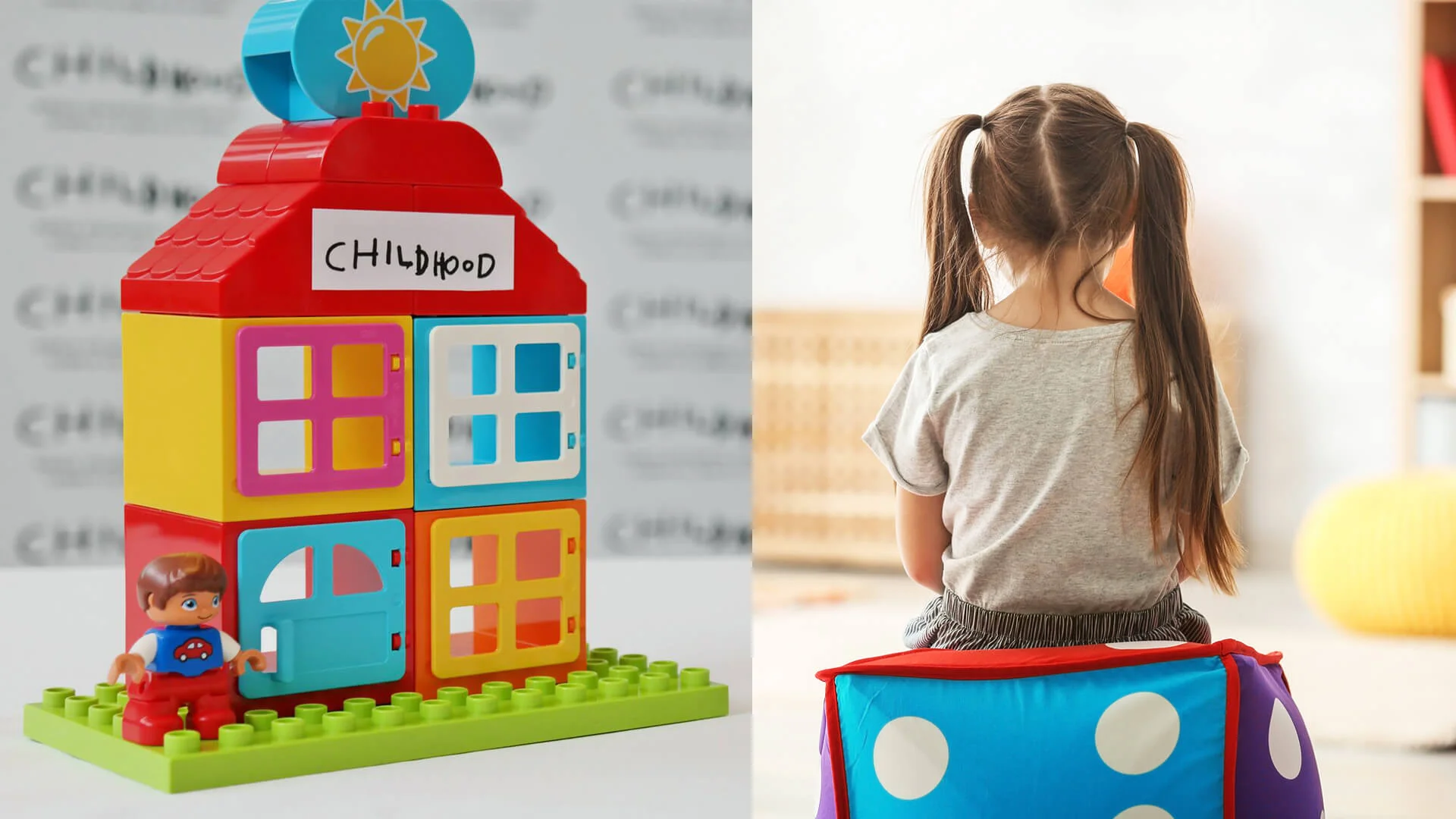
No child is immune to sexual abuse. But some children face significantly higher risk — and that risk is rarely random. It is the result of systemic exclusion: stigma, isolation, and fear. When a group is not intentionally included in programs, policies, and professional conversations, it becomes invisible. And a child we cannot see is a child we cannot protect.
Identifying which children carry that invisible burden is one of Childhood’s most important roles. It requires us to constantly ask ourselves – who are we still not reaching?
Several years ago, we identified children with disabilities, and LGBTQ+ children as two such groups. They are both very different and internally diverse groups, facing distinct and context-specific challenges.
To address this, we made a strategic choice: we wanted to change both the systems within which these children found themselves, and the systems where they needed to be included for protection. Our ambition spanned across different contexts and geographies, encouraging organizations and expertise from both sides to work together for mutual understanding and capacity-building.
I would lie if I said it was easy. The LGBTQ+ organizations we talked to were often afraid to openly address minors in their programs due to the stigma that associated LGBTQ+ people with perpetrators rather than a group overrepresented as victims of violence and abuse. In some countries the political climate even made that work extremely dangerous. The disability organizations we approached fought for livelihood, care and education, with little capacity left to also address sexual violence. Step by step our perseverance paid off, and we found brave partners that lead the way.
In 2025, we commissioned two external evaluations. Had our work brought a stronger protection perspective into disability and LGBTQ+ organizations? Had it made child rights organizations genuinely inclusive of the children they had been failing to reach before? The answer was yes.
The evaluations showed how extremely valuable and impactful even relatively small, well-targeted investments can be to open space for neglected groups. They showed that funding was important but that mutual trust, continued dialogue and coaching as well as invitations to national conversations and networks — all of that was equally important.
We also saw concrete evidence and practice of how these groups can be empowered and protected. Parents became trusted advocates. Children who had never been able to report abuse were given tools and words to communicate what had happened to them. For me, that is one of the most profound measures of impact.
National networks and policymakers are now beginning to include these children. This shift did not happen by chance — it was the result of deliberate advocacy, where we and other stakeholders consistently have pushed for policy change, holding decision-makers accountable.
The work of us and others has had an impact for LGBTQ+ children and children with disabilities. But it will not allow us to rest. Right now, we are seeing alarming trends across the world when it comes to the protection of children — not least those who are already marginalized and stigmatized.
If we accept that some children fall outside the protection system, we do not only fail those children. We normalize a world where it becomes acceptable to question which children deserve protection — and which do not.
Inclusive child protection is therefore an act of resistance — and the foundation of a society that is safe for all children.
Britta Holmberg
Director Global Programs & Advocacy
Deputy Secretary General World Childhood Foundation
Read the evaluations here.